







Search Results for: Specialty Coffee Primer
Coffee Culture Primer: 18 Little-Known Facts and a Practical Tasting Guide
Coffee is one of the most popular beverages in the world, yet most people know little about the story and science behind it. From an Ethiopian shepherd's accidental discovery to the curious journey of civet coffee; from the differences between Arabica and Robusta to the astonishing water consumption behind a single pound of coffee—this article will guide you through 18 lesser-known coffee facts, plus 11 practical tasting methods, to teach you how to avoid consumer traps like "100% pure coffee" and choose a truly good cup. Whether you're a casual drinker or a seasoned enthusiast, this is worth a read. [more…]
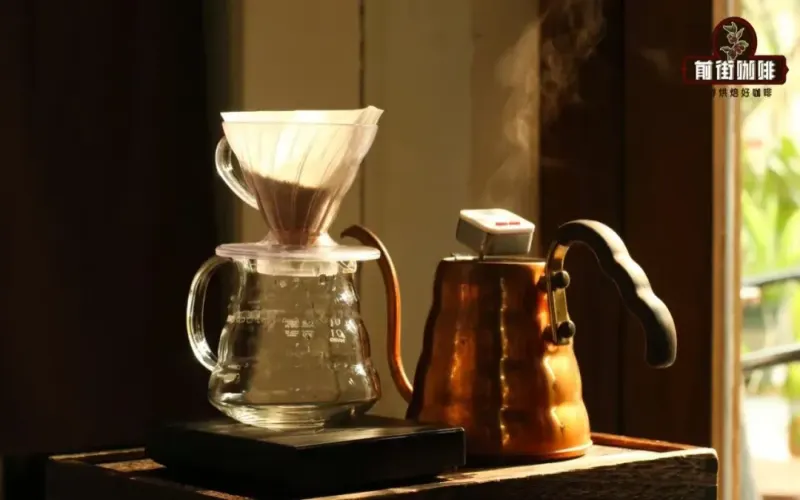
Barista Tasting Primer: Where Does the Sweetness in Black Coffee Come From? Practical Pour-Over Tips for Strawberry Candy
Many friends who are just getting into coffee have this question: coffee has no sugar added, so why do some people say it's sweet? In fact, the sweetness of coffee is not sugar directly picked up by the taste buds, but a combined sensory experience formed by taste, smell, and association working together. From the perspective of Front Street, this article systematically explains the sources of coffee sweetness—including the transformation of sugars in green beans during roasting, the sweet aftertaste effect brought by the contrast between acidity and bitterness, and how retronasal olfaction leads us to associate sweetness with certain foods through aroma. At the same time, the article also shares practical tips in three areas—bean selection, brewing, and tasting—to help you perceive sweetness more clearly in black coffee, and includes extraction suggestions for beans such as Front Street Strawberry Candy. [more…]

Common Coffee Varieties Illustrated Guide: Analysis of Bean Shape Characteristics and Pour-Over Flavor Differences in Typica, Bourbon, Caturra, and More
Faced with a bewildering variety of coffee beans, many enthusiasts wonder whether they can identify the variety by appearance alone. In fact, this is not as far-fetched as it seems—as long as you grasp the unique bean shape characteristics of each variety, you have a chance of doing so. This article compiles the appearance features of common varieties such as Typica, Bourbon, Caturra, Catuai, SL28/SL34, and Geisha, and, in conjunction with specific products from the Front Street Coffee bean list, explains their respective flavor trajectories in pour-over and espresso extraction. Of course, it is not uncommon for different varieties to look alike, and judging by appearance alone has its limitations, so it is better read as a piece of variety education. [more…]

Front Street Coffee Sun-Dried Kenya Oreti Estate French Missionary Bourbon: An Analysis of African-Style Specialty Coffee
For coffee enthusiasts, encountering a new bean is like embarking on a brand-new journey. The bean we're introducing today is extremely rare in production, hailing from the French Mission Bourbon variety at Kenya's Oreti Estate, processed using the natural method, with a unique flavor profile. This article will trace the historical origins of the French Mission Bourbon variety, from its beginnings on Bourbon Island to its introduction into Kenya, and provide a detailed description of this Front Street natural-processed Kenyan bean's origin, altitude, and flavor characteristics. If you enjoy trying new things and want to understand the allure of Kenyan natural-processed beans, why not join us in exploring this rare coffee full of African passion. [more…]
Guatemala Huehuetenango Coffee Flavor Analysis: Front Street Coffee's Daily Drink Bean Brewing Parameters and Washed Processing Characteristics
The Huehuetenango region of Guatemala is located in the west of the country, with fertile volcanic soil and high-altitude advantages, producing the highest grade SHB Strictly Hard Bean. Small-scale family farming dominates here, and Bourbon and its variants give the coffee beans floral notes and a red-wine-like character. Front Street Coffee has included this washed Huehuetenango in its everyday drinking coffee series; in cupping it shows a wet berry aroma, lemon peel and citrus notes, with a smoky finish and rich layers. This article provides a detailed analysis of its flavor characteristics and origin background, and includes Front Street Coffee's pour-over brewing parameters and technique, suitable for coffee lovers as an introduction and for daily tasting. [more…]
Exploring Ethiopian Coffee Culture: How to Drink Yirgacheffe? From Bean Selection to Brewing in One Guide
Ethiopia is the birthplace of coffee, and Yirgacheffe is the first stop for countless coffee lovers entering the world of specialty coffee. This article will guide you through Ethiopia's coffee culture, break down the unique terroir and processing methods of the Yirgacheffe region, and walk you step by step through how to select and brew a delicious cup of Yirgacheffe. Whether you're a newcomer just getting into specialty coffee or a seasoned enthusiast looking to deepen your understanding of regional flavors, you'll find practical advice and inspiration here. Front Street Coffee will also share the brewing flavors and techniques for several Yirgacheffe everyday beans, helping you easily begin your coffee exploration journey. [more…]

A Beginner's Guide to Pour-Over Dripper Selection: Differences Between V60 and Kono Conical Drippers and Coffee Bean Recommendations
Want to make a good cup of coffee easily at home? Pour-over is a relatively low-barrier, budget-friendly choice. In a basic pour-over setup, the dripper has a big influence on the final flavor direction. There are many kinds of conical drippers on the market, among which the Hario V60 and the Kono are the most common. The two look similar in shape, but their rib structures, how well the filter paper fits, and their flow rates are completely different, and the extraction results they produce each have their own leanings. This article will start from the principles of the equipment, compare the characteristics of the V60 and the Kono, explain what kinds of coffee beans and taste preferences each is suited to, and recommend several matching single-origin beans from Front Street Coffee, to help beginners choose the right first dripper according to their own preferences. [more…]
Yirgacheffe Coffee Beans Flavor Analysis: Origin Characteristics, Price Positioning, and Brewing Parameters Guide
For friends who have just stepped into the world of specialty coffee, facing a dazzling array of bean listings often leaves them not knowing where to start. They want to experience the layered changes in coffee, yet worry that the bitterness will be too strong to accept. Front Street Coffee recommends starting with the washed Yirgacheffe from the daily drinking series. Yirgacheffe is located in southern Ethiopia and originally belonged to the Sidamo producing region. Because of its unique floral aroma and citrus acidity, it became an independent region in 2010. Local smallholders mostly grow trees in their courtyards, and after harvesting, the cherries are sent to cooperatives for unified washed processing, creating a clean and bright acidity. Front Street Coffee has launched a daily drinking bean series covering seven major producing regions, shared at 25 yuan/100g. This article will take you through the producing region background, variety characteristics, processing methods, and brewing parameters to give you a comprehensive understanding of this top choice for beginners. [more…]
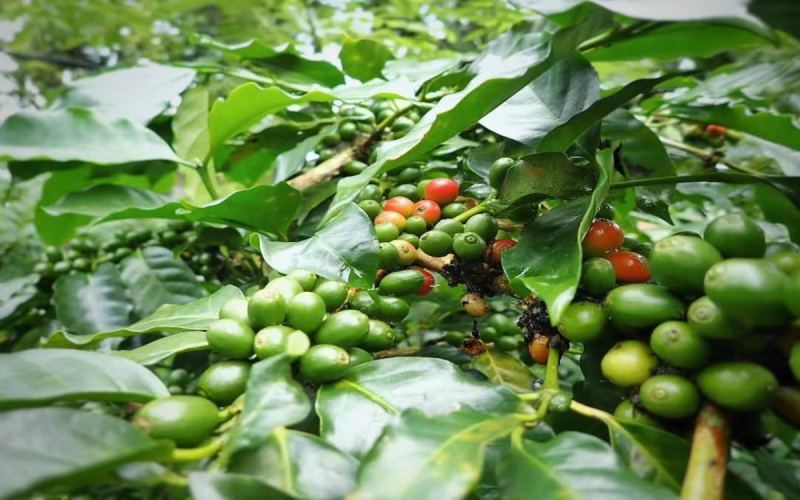
A Complete Analysis of Yunnan Small-Bean Coffee Varieties and Flavors: The Journey to Specialty Coffee from Typica to Catimor
Yunnan's Pu'er is undergoing a transformation from instant coffee raw material to specialty coffee, with Starbucks, young entrepreneurs, and specialty brands all rushing in. What makes Yunnan capable of growing coffee? It sits in the golden growing belt near the Tropic of Cancer, with suitable altitude and climate. From the first coffee tree planted by missionaries in Zhukula Village in 1904 to today, when Catimor has become the dominant variety, Yunnan coffee has gone through three waves of development. This article sorts out the variety evolution and flavor characteristics of Yunnan arabica coffee, as well as Front Street Coffee's practice of establishing its own estate in Lincang to grow Typica and adopting sun-dried processing, to help you rediscover the true standard of Yunnan specialty coffee. [more…]
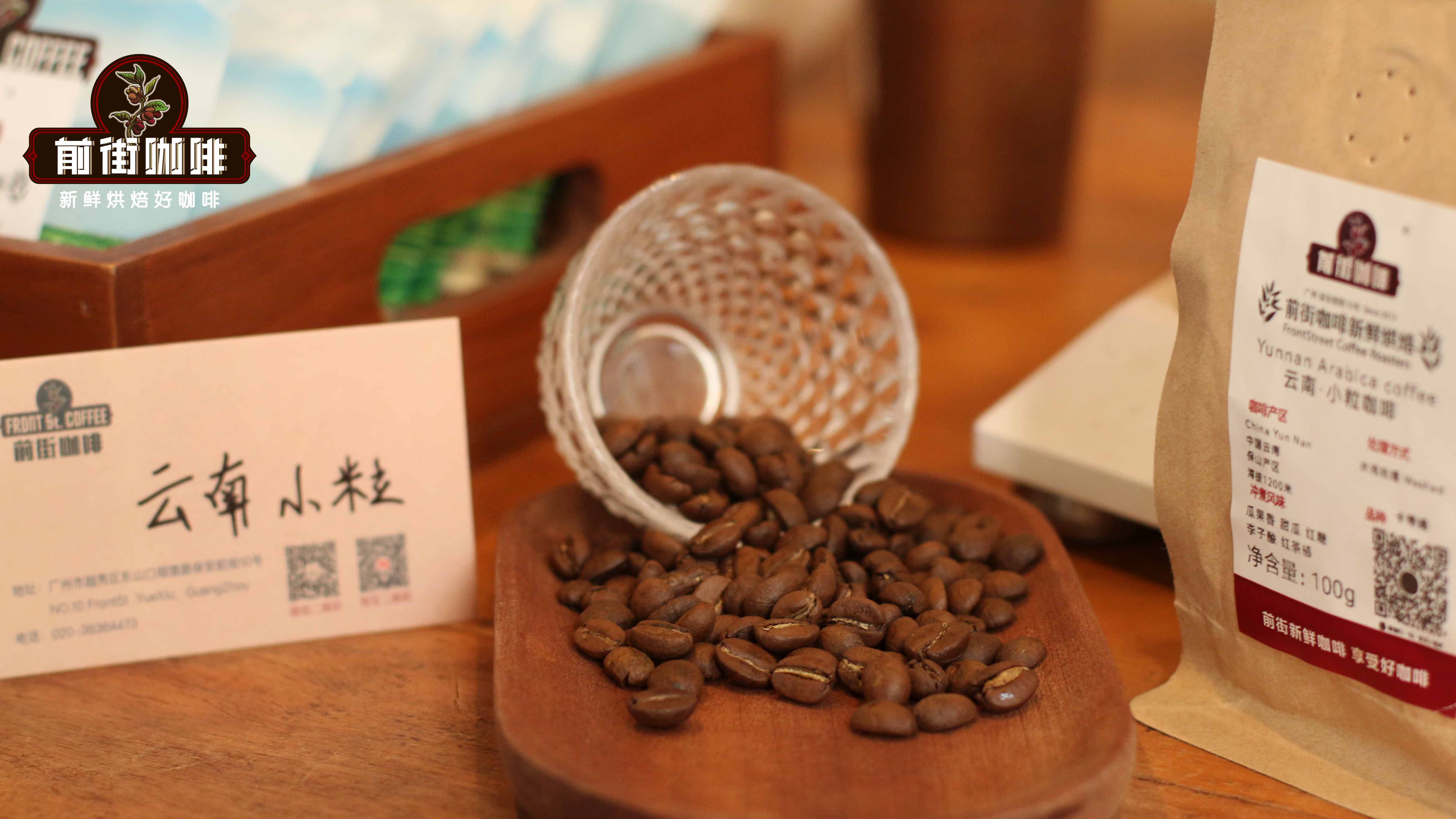
Yunnan Coffee Bean Quality Analysis: From Catimor to Typica, a Complete Record of the Journey Toward Specialty Transformation
Yunnan coffee is undergoing a transformation from instant coffee raw material to specialty coffee. This article traces the three waves of coffee cultivation in Yunnan, from the export-for-debt-repayment in the 1950s and 1960s, to Nestlé's promotion of the Catimor variety in the 1980s, and then to the introduction of the specialty coffee concept after 2000. The article also provides an in-depth analysis of the differences in variety characteristics between Catimor and Typica, as well as Front Street Coffee's practice of establishing an estate in Lincang, planting Typica, and adopting natural processing, giving you a comprehensive understanding of the true face and quality potential of Yunnan coffee. [more…]
The Naming Origins of Ethiopia's Hambela Guji Coffee and a Full Analysis of the Hambela Natural Bean Variety
Since Huakui coffee beans rose to fame in 2017, they have continued to attract attention in China's specialty coffee scene. This natural-process coffee from Hambela in the Guji zone of Sidama, Ethiopia, is named for its distinctive strawberry-and-cream flavor, and behind it lies a story of winning the TOH green bean competition. This article provides a complete overview of Huakui's origin, the story behind its name, its version evolution, and Front Street Coffee's roasting and pour-over recommendations, helping coffee lovers gain a full understanding of this star bean. [more…]
Analysis of Huakui and Geisha Coffee Beans: Origin, Flavor Characteristics, and Pour-Over Parameter Comparison
Huakui and Geisha—one is a rising star from Ethiopia, the other a legend from Panama's Hacienda La Esmeralda. The two are often mentioned in the same breath, but how exactly do they differ in variety background, naming origin, and flavor expression? From the perspective of Front Street Coffee, this article traces Huakui coffee's path to fame, processing station information, and the patterns of its batch evolution, and provides Front Street's standard pour-over recipe, while also comparing Geisha's naming origins and flavor grade differences. Whether you are a beginner just getting into specialty coffee or a veteran eager to delve deeper into the stories of the producing regions, you will gain clear insights from it. [more…]

Cold Brew Coffee Grounds-to-Water Ratio | How Can Coffee Beginners Make Cold Brew Coffee at Home? Which Single-Origin Coffee Beans Are Suitable for Cold Brew? How Long Is Cold Brew's Shelf Life?
In such hot weather, in such a hot Guangzhou, taking a sip of iced coffee is simply one of life's great pleasures. Everyone may have had plenty of iced coffee, so what exactly is cold brew coffee? Why isn't it available in every coffee shop? Today Front Street is here to give everyone a little primer on the category of cold brew coffee. The production process of cold brew and Americano [more…]

A Beginner's Guide to Coffee Tasting: From Aroma and Mouthfeel to Finish, Systematically Learn to Judge Whether a Cup of Coffee Tastes Good
Many friends who are just getting into specialty coffee run into the same confusion: they can't taste the flavors written on the coffee packaging, and they're not sure whether they actually know how to evaluate coffee. In its daily conversations with customers, Front Street Coffee has found that people often equate "being able to name flavors" with "understanding coffee evaluation," but these are actually two different things. Flavor description is only a small part of coffee evaluation. To truly judge whether a cup of coffee is good, you can start from five dimensions: aroma, overall performance, mouthfeel, flavor, and aftertaste. This article compiles Front Street's insights on coffee evaluation to help enthusiasts build an actionable evaluation framework, while also answering the common question of "why can't I taste the flavors?" [more…]
The Naming Origins and Flavor Story of Huakui Coffee Beans: Is It Really Geisha? A Full Analysis of Its Origin and Variety
In the specialty coffee world, Huakui has captured countless palates with its signature creamy strawberry aroma, yet behind its name lies a legendary story stretching from the TOH competition stage to Chinese coffee events. Many people wonder whether Huakui and Geisha are the same variety, but in fact the two are completely different in terms of variety, origin, and naming logic. In this article, Front Street Coffee will provide a complete overview of the origin of the name Huakui, the terroir conditions of the Sidamo Guji Hambela region, the natural processing method at the Buku Abel processing station, and the flavor evolution from Huakui 2.0 to Little Bean Huakui, guiding you through a comprehensive understanding of the unique charm of this Ethiopian natural-processed bean. [more…]
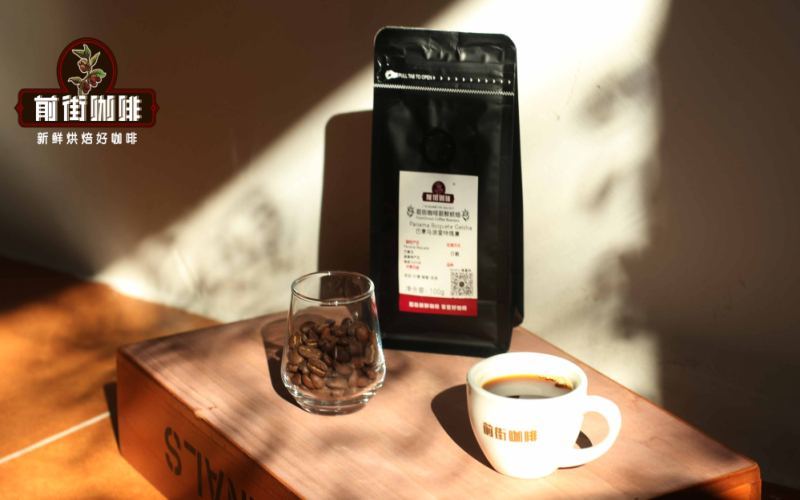
Front Street Coffee Limited-Time Special: Blue Label Geisha half price at 49 yuan for 100 grams, everyday beans from 9.9 yuan, seasonal drip bags at 19.9 yuan
Front Street Coffee (FrontStreet Coffee) launches its annual mega-value promotion, featuring selected drip coffee bags, six best-selling everyday beans, and thirteen specialty beans, with single-origin beans at up to 50% off. Among them, the Panama Hacienda La Esmeralda Blue Label Geisha is half price at only 49 yuan/100g, while everyday beans such as Yunnan small-batch, washed Yirgacheffe, and Mandheling are as low as 9.9 yuan/100g, and seasonal drip coffee bags are 19.9 yuan/box with free shipping nationwide. The promotion runs from July 15 to 17, only three days. This article details the flavor characteristics, processing methods, and Taobao codes of each discounted bean, and also includes a primer on Geisha grades (Red Label, Green Label, Blue Label) along with brewing suggestions, helping coffee lovers taste specialty coffee at affordable prices. [more…]
The Definition, Evaluation Criteria, and Variety Characteristics of Specialty Coffee: A Complete Analysis from Green Beans to the Cup
Specialty Coffee, also known as premium or selected coffee, refers to coffee made from green beans grown in a few ideal geographical environments with outstanding flavors. Starting from the definition of specialty coffee, this article reviews its origins and current status, explains in detail the evaluation standards of the Specialty Coffee Association of America and producing countries, analyzes the six major characteristics and drinking requirements of specialty coffee beans, and looks ahead at its market development trends. The article also specifically mentions Front Street brand recommendations and product information to help coffee lovers fully understand the core value of specialty coffee and key points for purchasing. [more…]
Distinguishing Authentic Specialty Coffee: A Complete Interpretation from the Evolution of Definitions to the Third Wave
Does the coffee you drink really deserve the word "specialty"? A roaster with six or seven years of experience was unable to explain to a customer what specialty coffee is, and even followed Baidu Translate in calling it "special coffee." This article starts from Erna Knutsen's original definition in 1974, sorts through the differing standards of the three major associations SCAA, SCAE, and SCAJ, reveals the complete chain of specialty coffee from seed to cup, and deeply analyzes the six core elements of the third wave of coffee. Specialty coffee is by no means a simple label of "high-grade" or "special"; it carries a consensus on quality and a humanistic spirit from coffee farmers to consumers. [more…]
The Definition of Specialty Coffee and Its Evaluation Criteria: A Complete Guide from Green Bean Origin to Extraction
The concept of specialty coffee has undergone more than thirty years of development since it was first proposed by Erna Knutsen in 1974. Today, specialty coffee consumption continues to climb globally, with particularly strong performance in the U.S. market. However, understanding specialty coffee cannot stop at the level of "coffee beans grown in special environments." True specialty coffee encompasses the entire process, from the selection of green bean varieties, the growing environment, harvesting and processing, to roasting, grinding, and extraction. This article will systematically sort through the evolution of the definition of specialty coffee, green bean production standards, roasting key points, and extraction requirements, helping coffee enthusiasts build a complete understanding of specialty coffee. [more…]
How Does the SCAA Define Specialty Coffee? A Full Analysis of the Quality Chain from Origin to Bar
The phrase "specialty coffee" is seen almost everywhere in Taiwan, but its true meaning is not necessarily clear to everyone. The definition given by the Specialty Coffee Association of America (SCAA) does not focus solely on green bean quality or brewing methods, but instead looks at the entire industry chain—from farmers, green bean traders, roasters, and baristas all the way to consumers, every link plays an indispensable role. This article will comprehensively sort out the SCAA's official interpretation of specialty coffee, guiding you to understand every person who quietly contributes along this quality chain, and also to rethink the true value behind a good cup of coffee. [more…]